

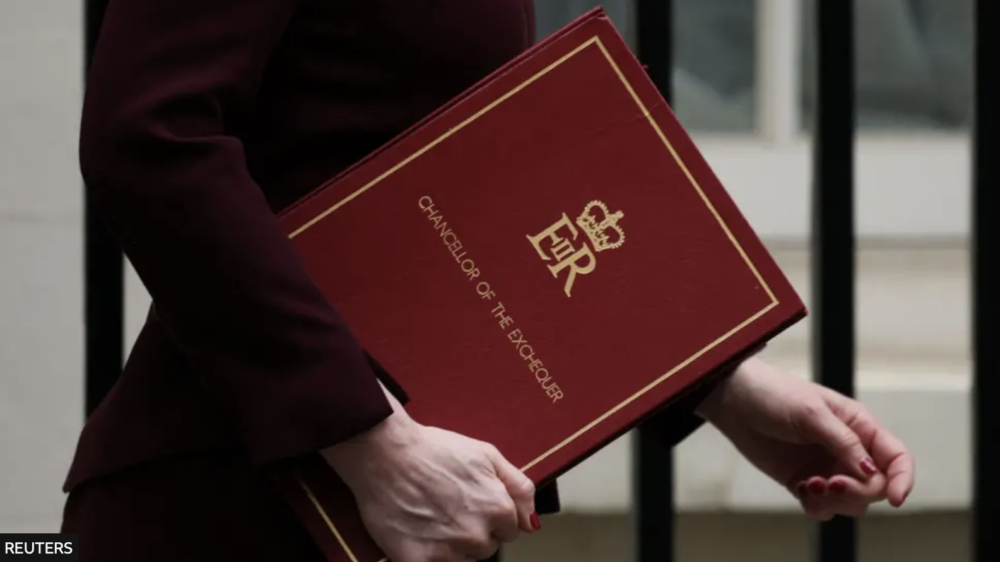


Following months of intense speculation, much consternation, and the unfortunate pre-release of the actual budget analysis, we finally heard the budget from the Chancellor. It comes as no surprise that there have been several red headlines following the budget, including the fact that we now have the highest tax rates in the UK since the Second World War. However, it is important to recognise that negative headlines tend to gain the most attention, so it’s worth noting a few rumours that thankfully never came to fruition.
Taxes, ISAs and Pensions
One significant point is the lack of a substantial increase in council tax, although the Chancellor has introduced a £ 2,500-per-year surplus charge for properties worth more than £2 million and a £ 7,500-per-year surcharge for properties exceeding £5 million.
Additionally, there were no changes to capital gains tax, meaning that basic rate taxpayers are charged at 18% and higher rate taxpayers at 24% on gains realised over £3,000 per annum.
In terms of pension contributions, no changes have been made; the maximum remains £60,000 per annum or 100% of gross earnings, whichever is lower (although the £60,000 allowance is reduced for higher earners). Furthermore, the 25% tax-free lump sum from pension funds remains capped at £268,275, rather than the much-touted reduction to £100,000.
An important Inheritance Tax exemption also remains in place, allowing gifts out of surplus income to be made without being subject to the 7-year gift rule, as long as certain conditions are met. On the point of the 7-year gift rule, it was a relief that it was not extended to 10 years as many commentators had predicted.
The capital gains tax exemption on the sale of a primary residence remains, and the full ISA allowance of £20,000 per annum will continue.
However, for the under 65’s the cash ISA limit will be reduced to £12,000, leaving a balance of £8,000 available for investment in a stocks and shares ISA . Investment into tax-deferred vehicles, such as offshore bonds, also remains unaffected.
While these aspects provide some relief, we cannot overlook that this budget has significantly increased taxes.
How these increased taxes will impact the majority of our clients remains to be seen, especially given that many tax increases and their implementation will be delayed.
For instance, the 2% increase in the savings rate tax and tax on property income will only take effect from 2027, while the national insurance changes to pension contributions for employees using salary sacrifice will not commence until 2029. Additionally, the council tax surcharges of £2,500 and £7,500 on properties worth over £2 million and £5 million, respectively, will not take effect until 2028, and the reduction in the cash ISA contribution until April 6, 2027.
Based on our experience, it is generally much more challenging for any future government to reverse tax increases that have happened than to rescind taxes that have not yet come into effect. Something to think about, with continued speculation around how long the current Chancellor and Prime Minister will remain in their jobs.
Some tax increases will have a more immediate impact, such as the 2% increase in dividend income effective from April 6, 2026. It was also surprising and somewhat frustrating that no announcement was made during the Budget speech regarding the planned reduction of tax relief offered on venture capital trusts from 30% to 20% from 6th April 2026
All current allowances, including the personal tax allowance, the basic rate threshold, and capital gains tax allowances, have been frozen, which can be interpreted as tax increases in real terms.
Considering all the above factors, our initial analysis suggests the budget's short-term impact will be relatively benign.
It emphasises the importance of ensuring that all available allowances are fully utilised to maximise tax efficiency, especially given that current allowances continue to be frozen.
The increase in the dividend tax rate and future increases in the savings tax rate and the property income tax rate, means the consideration of the tax-deferral options available as part of a broader tax planning strategy should be carefully assessed.
We trust that this overview provides a clear summary of the key points from the budget. If there are any specific aspects that you would like to discuss in more detail as to how they pertain your personal circumstances, please do not hesitate to get in touch.
Summary by Julian Strauss
Charted Financial Planner
Director, Bigmore Associates
Book a free, initial consultation with a Bigmore Financial Planning
Why Do I Need a Lasting Power of Attorney?
Previous post